
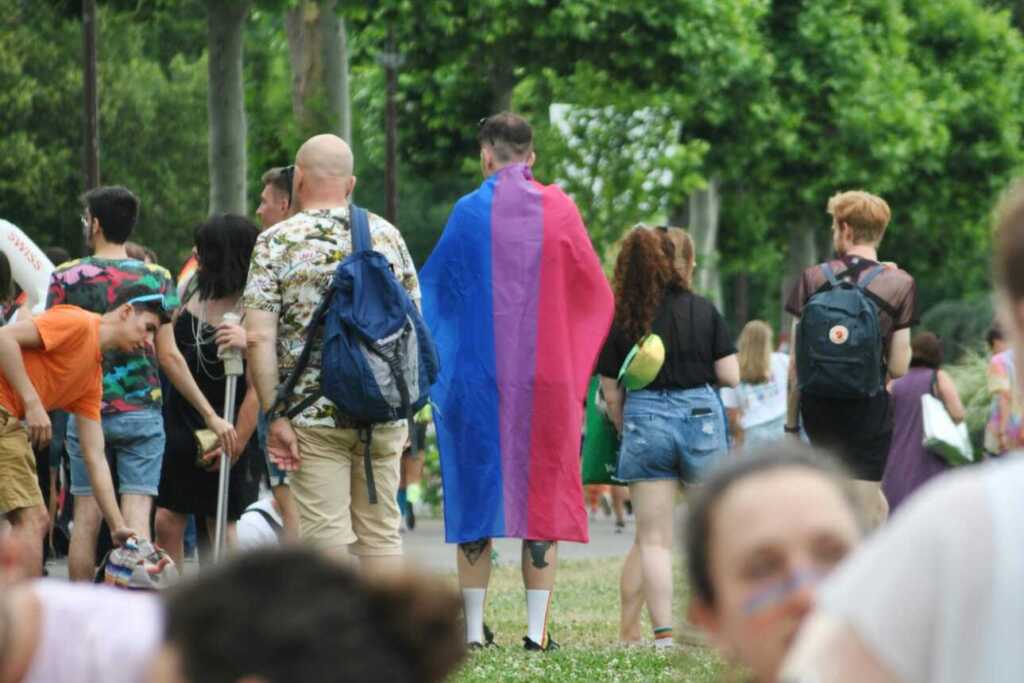
Have you ever felt like you had to explain or defend your sexual orientation? Maybe someone assumed you were straight or gay depending on the gender of the person you’re dating. Perhaps you’ve heard comments suggesting bisexuality is just a phase or that you need to choose a side. These experiences may be examples of bisexual erasure, also known as bisexual invisibility.
Bisexual erasure occurs when bisexual identities and experiences are ignored, dismissed, questioned, or misunderstood. It can happen in everyday conversations, media representation, healthcare settings, workplaces, and even within LGBTQIA+ communities.
Despite being a valid sexual orientation, bisexuality is often misunderstood. Common stereotypes suggest that bisexual people are confused, indecisive, or simply going through a phase. Repeatedly encountering these assumptions can leave people feeling unseen, invalidated, or disconnected from their communities.
Understanding bisexual erasure is an important step toward recognizing the unique challenges bisexual people may experience and how those experiences can affect mental health.
Common Examples of Bisexual Erasure
Bisexual erasure can be subtle or overt. Some examples include:
Assuming someone’s sexual orientation based on their partner: A bisexual person dating someone of a different gender may be assumed to be heterosexual, while someone dating a same-gender partner may be assumed to be gay or lesbian. A person’s relationship status does not determine their sexual orientation.
Describing bisexuality as a phase: Comments like “You’ll figure it out eventually” or “You’re just experimenting” suggest that bisexuality isn’t a legitimate or lasting identity.
Suggesting bisexual people are confused: Bisexuality is sometimes incorrectly associated with indecisiveness or an inability to commit. These stereotypes invalidate attraction to more than one gender.
Excluding bisexual people from LGBTQIA+ spaces: Some bisexual people experience judgment or feel unwelcome in LGBTQIA+ communities, particularly when others question whether they belong based on their relationship history.
Limited media representation: When bisexual characters and experiences are overlooked or portrayed through stereotypes, it reinforces the idea that bisexual identities are less visible or legitimate.
How Does Bisexual Erasure Affect Mental Health?
Repeatedly having your identity questioned or dismissed can take an emotional toll.
Bisexual people may experience stress associated with both heterosexual and LGBTQIA+-related stigma. This can include discrimination, pressure to conceal their identity, expectations of rejection, and difficulty finding affirming spaces.
These experiences may contribute to:
- Anxiety and stress: Worrying about being misunderstood, judged, or rejected when sharing your sexual orientation.
- Low self-esteem: Questioning whether your identity is valid or feeling pressure to continually prove yourself.
- Depression and emotional distress: Experiencing sadness, shame, or disconnection following repeated invalidation or discrimination.
- Social isolation: Feeling disconnected from heterosexual and LGBTQIA+ communities.
- Relationship challenges: Navigating jealousy, stereotypes about infidelity, or partners who misunderstand bisexuality.
Research has identified mental health disparities among bisexual populations compared with heterosexual populations. Minority stress, discrimination, and biphobia are important factors in understanding these differences.
These challenges aren’t caused by bisexual identity itself. They reflect, in part, the impact of stigma and the environments in which people live and build relationships.
What Is the Difference Between Bisexual Erasure and Biphobia?
Although related, bisexual erasure and biphobia describe different experiences.
Bisexual erasure refers to the dismissal, invisibility, or denial of bisexual identities and experiences.
Biphobia refers to prejudice, negative attitudes, stereotypes, or discrimination directed toward bisexual people.
For example, assuming someone is heterosexual because they’re dating a person of a different gender is a form of bisexual erasure. Making discriminatory comments about someone because they’re bisexual is an example of biphobia.
Both can contribute to feelings of rejection, isolation, and stress.
How Can LGBTQIA+-Affirming Therapy Support Bisexual Mental Health?
If you’ve experienced bisexual erasure, you may find yourself questioning your identity, struggling with self-esteem, or feeling disconnected from people around you.
LGBTQIA+-affirming therapy offers a supportive environment to explore these experiences without judgment. Rather than asking you to justify your sexual orientation, an affirming therapist recognizes your identity and works collaboratively with you toward your mental health goals.
Therapy may help you:
Process Rejection and Discrimination
Being misunderstood or rejected can affect your sense of safety and connection. Therapy can help you explore these experiences, understand their emotional impact, and develop strategies for navigating difficult situations.
Strengthen Self-Acceptance
If you’ve internalized negative messages about bisexuality, you may struggle with shame or uncertainty. Therapy can help you identify these beliefs, explore where they originated, and develop a more compassionate relationship with yourself.
Develop Healthy Boundaries
You aren’t obligated to explain your identity to everyone. Individual therapy or couples counseling can help you communicate your needs, establish boundaries, and navigate relationships with people who may not understand your experiences.
Build Supportive Connections
Feeling accepted can make a meaningful difference in emotional well-being. Therapy may help you identify affirming friendships, support networks, and LGBTQIA+ communities where you feel comfortable being yourself.
Finding a Bisexual-Affirming Therapist
If experiences of bisexual erasure or biphobia are affecting your mental health, working with an LGBTQIA+-affirming therapist may provide valuable support.
When searching for a therapist, consider asking:
- What experience do you have working with bisexual clients?
- How do you approach bisexual erasure and minority stress in therapy?
- How do you support clients navigating identity invalidation or discrimination?
- How do you approach relationship concerns involving bisexual identity?
Finding a therapist who understands bisexual experiences can help you feel more comfortable discussing the challenges you’re navigating.
Your Identity Deserves to Be Recognized and Respected
Bisexual erasure can leave people feeling unseen or disconnected, but someone else’s misunderstanding doesn’t make your identity any less valid.
You deserve to feel accepted in your relationships, your community, and your understanding of yourself. LGBTQIA+-affirming therapy can provide a space to process experiences of stigma, strengthen self-acceptance, and develop tools for navigating relationships and everyday life.
If you’re looking for support, Steffen Counseling Services is here to support you. We’d be happy to answer your questions, share more about our LGBTQIA+-affirming approach, and help you explore whether therapy feels like the right next step.