
In therapy, we often say that healthy boundaries are an act of self-respect. They protect our time, energy, and emotional well-being—and they create strong, balanced relationships. Yet for many people, the word boundaries can feel intimidating. Where do we even start? How do we set them without guilt or conflict?
Whether you’re navigating relationships as an individual, a family, or a couple, learning to set boundaries is one of the most powerful steps toward deeper connection and emotional safety.
What Are Healthy Boundaries?
Boundaries are the limits we set that define what feels comfortable and acceptable for us. They can take many forms—emotional, physical, digital, or even time-related. A healthy boundary might sound like:
“I need time to recharge before talking about this.”
“I appreciate you checking in, but I’ll reach out when I’m ready.”
“Let’s set aside one night a week to reconnect without distractions.”
Boundaries aren’t about pushing others away, they’re about creating space for genuine connection built on mutual respect and understanding.
Why Boundaries Matter in Relationships
Without boundaries, resentment and burnout can quickly grow. We might overextend ourselves, agree to things we don’t mean, or feel unseen in our closest relationships. Boundaries help change that by:
Fostering trust—Partners and friends know what to expect from you.
Encouraging honesty—You learn to say what you need clearly and calmly.
Reducing conflict—Small issues don’t build up into unspoken frustrations.
Supporting emotional safety—Everyone feels respected, not controlled.
For couples especially, boundaries serve as a roadmap for emotional intimacy. Knowing where each person’s comfort zone begins and ends allows both partners to show up authentically.
Practical Steps to Set Boundaries
Identify your needs.
Reflect on where you feel drained, unheard, or overwhelmed. Those feelings often signal where boundaries are missing.Communicate directly but kindly.
Use “I” statements: “I feel overwhelmed when plans change last minute. Can we agree to check in?”Start small.
Boundaries are learned skills. Begin with smaller limits—like carving out alone time—and notice how it feels.Expect some discomfort.
It’s natural for others (and yourself) to need time to adjust to new boundaries. Discomfort doesn’t mean you’re doing it wrong.Stay consistent.
Boundaries only hold when reinforced with action. Gently remind others (and yourself) when lines get blurred.
When Boundaries Feel Difficult
It can be tough to set boundaries—especially if you grew up in an environment where your needs were minimized or where saying “no” was discouraged. Therapy can help you explore those patterns, learn emotional regulation tools, and practice assertive communication in a safe setting.
At our practice, we work with individuals, couples, and families to build confidence in setting and maintaining boundaries. Over time, clients report noticing less guilt, more self-respect, and closer, more fulfilling relationships.
Therapist Recommended Resources on Boundaries
Our therapists often recommend the following resources to clients who are learning to set and maintain healthy boundaries. These materials combine evidence‑informed ideas with practical exercises that can support your growth between sessions.
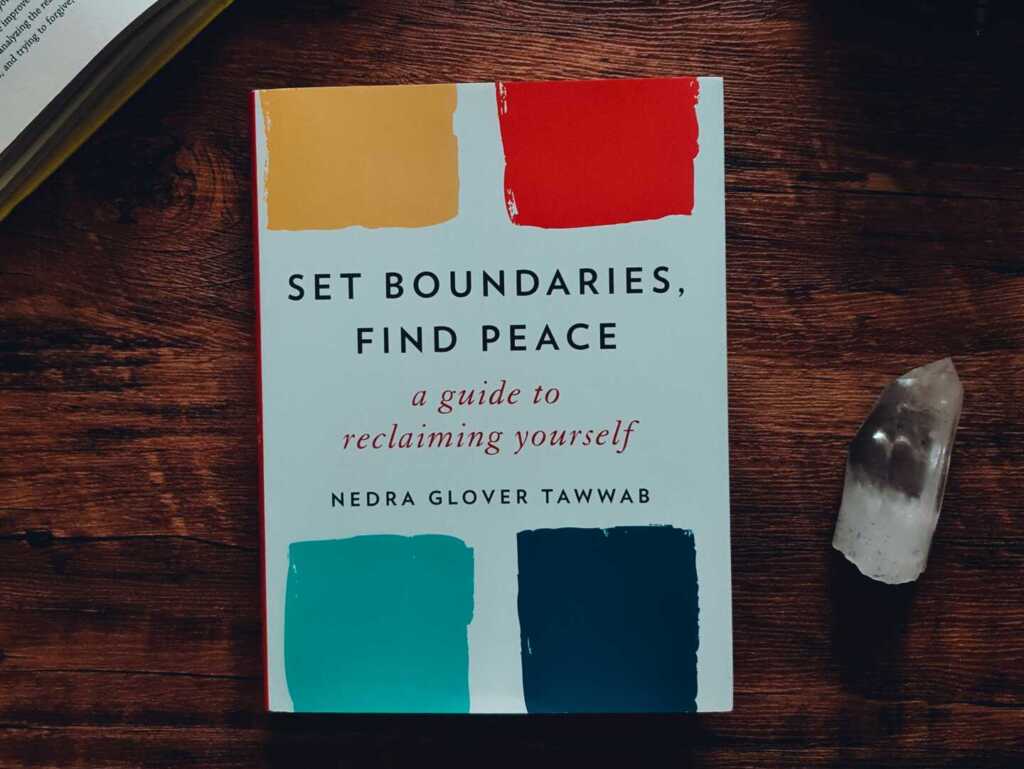
Set Boundaries, Find Peace: A Guide to Reclaiming Yourself by Nedra Glover Tawwab, LCSW‑C – A clear guide that explains what boundaries are, how they show up in everyday life, and how to communicate limits without guilt. Many of our clients find this book especially helpful for navigating relationships, work, and family dynamics.
The Language of Letting Go by Melody Beattie – A daily‑reflection book that encourages self‑compassion and emotional balance, making it a gentle companion for those learning to prioritize their own needs and reduce people‑pleasing tendencies.
Attached: The New Science of Adult Attachment and How It Can Help You Find—and Keep—Love by Amir Levine and Rachel Heller – A research‑based look at how early relational patterns shape communication and boundary‑related anxiety in adult relationships.
Codependent No More: How to Stop Controlling Others and Start Caring for Yourself by Melody Beattie – A resource for understanding over‑responsibility, enmeshment, and the role of boundaries in reducing resentment and emotional burnout.
Taking the next step
Healthy boundaries are not about being selfish, they are about honoring your needs so you can show up more fully in your life and relationships. When you have support in this process, it becomes easier to move from guilt and confusion to clarity and confidence.
If you or your relationship are struggling with over-giving, resentment, people-pleasing, or conflict around needs, working with a therapist can provide structure and guidance as you practice new boundaries. Therapy offers a nonjudgmental space to explore where your limits come from, how to communicate them, and how to hold them even when it feels uncomfortable.
At Steffen Counseling Services, our therapists help clients build healthier patterns, including learning how to say “no,” ask for what they need, and create relationships rooted in mutual respect.
To learn more or schedule an appointment, contact Steffen Counseling Services today.